Greek fragrances, between myths and aromas
- Feb 7, 2025
- 2 min read
Updated: Mar 9, 2025
In Greece, perfumery is not just an industry, but an expression of cultural identity. Unlike other countries, here the connection between fragrances and history is valued. Veronika Bairami, a perfumer at Aromatazois, explains it: "In Greece, we have a deep connection with nature and our tradition. Greek fragrances are inspired by mythology and the Mediterranean way of life."

The connection between Greece and perfumery comes from the country's natural wealth and the cultural importance of scents in its tradition. The origins date back to the Minoans and Mycenaeans, two of the first civilizations to develop in Greek territory. These communities are known for their sophisticated and high-quality pottery and craftsmanship. It is believed that they were the first to create perfumes, using essential oils extracted from plants and flowers. Aromatic fragrances played a fundamental role in the daily lives of these cultures, to the point of spreading throughout the Hellenistic world. They used perfume for hygiene and personal care, to improve their health, vitality, and mood, as well as to express hospitality. Furthermore, this liquid was used in most of their traditional ceremonies and rituals: births, weddings, funerals, purification rituals, religious offerings, and even to perfume the temples. "Even today, in the traditions of the Greek Orthodox Church, incense and aromatic oils are still used in religious ceremonies, keeping a spiritual connection with scents alive."

Certain fragrances were believed to be associated with the gods, and some myths highlight their cultural and symbolic importance in Greek history. For example, the essences of myrrh and frankincense, extracted from resin and used for incense, were linked to Apollo and Artemis. Aphrodite, the goddess of beauty and love, was often associated with roses and myrtle, key ingredients in perfumery. It is said that Hera, the goddess of marriage, family, and motherhood, used essential oils to enhance her divine presence. Additionally, the nymph Daphne, transformed into a laurel tree to escape Apollo, became a symbol of victory and a fundamental ingredient in ancient perfumery.
"Each fragrance is designed to evoke the feeling of being in a specific environment of this country." On one hand, the Mediterranean beauty "brings freshness with marine and citrus notes inspired by the breeze of the Aegean, as well as the delicate aroma of jasmine flowers." On the other hand, the mountains and countryside offer more herbal, woody, and earthy elements, in which "plants like sage, oregano, and pine shape our scents." Mediterranean fragrances are deeply rooted in culture, tradition, and daily life. For example, citrus fruits like bergamot and bitter orange are often associated with Greek hospitality, while floral aromas, like rose and jasmine, have been used for centuries in celebrations and beauty rituals.
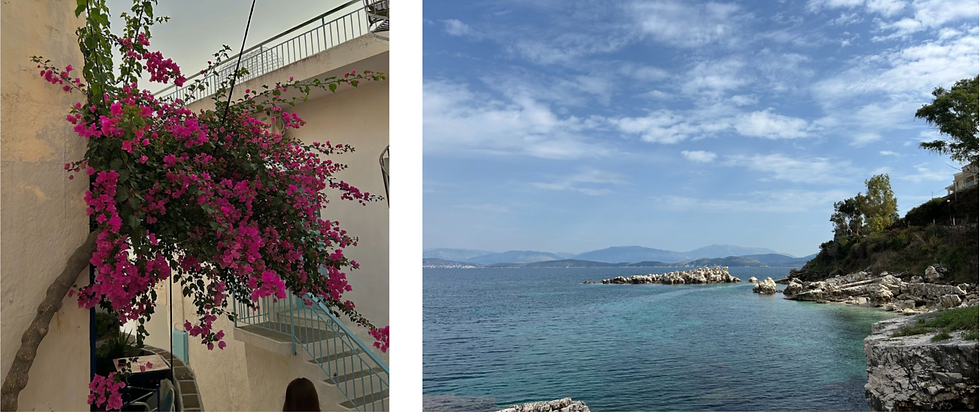
Many Greeks have a deep emotional connection with certain smells, as they associate them with childhood memories, traditions, seasons, or specific places. One example is Veronkia Bairami, for whom the scent of orange blossoms evokes spring.


Comments